 John
JohnA well-designed drain, waste, and vent system is essential for the safe operation of multi-story buildings. When planning such systems, engineers often choose PVC DWV pipe due to its consistent dimensions, corrosion resistance, and ease of installation. In tall structures, gravity flow, pressure balance, and noise control must be considered together to ensure smooth wastewater discharge and effective venting across multiple floors.
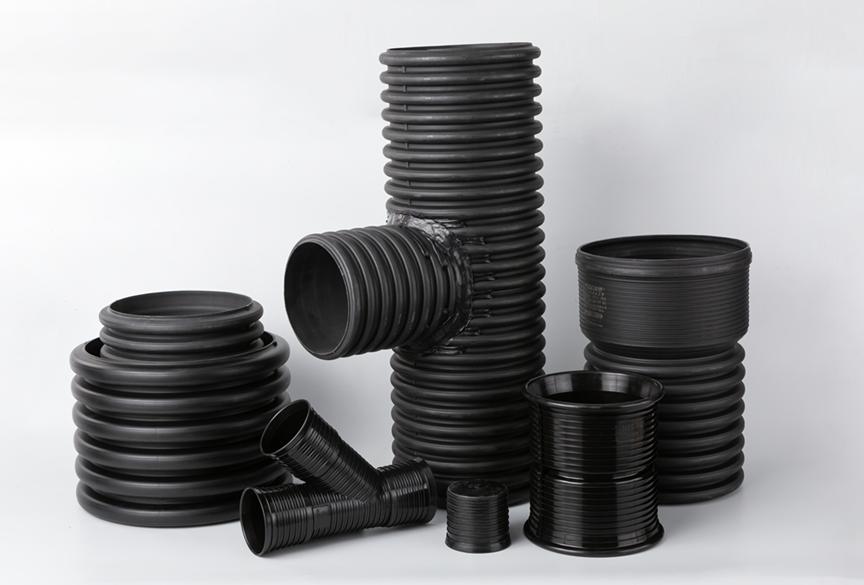
Planning Pipe Layout and Sizing
Proper layout begins with accurate fixture counts and flow calculations for each level. Vertical stacks should be aligned floor to floor to minimize offsets and reduce friction loss. Using PVC DWV pipe allows for precise sizing that complies with plumbing codes while maintaining sufficient slope for horizontal branches. Adequate slope ensures wastewater moves efficiently without causing blockages or excessive velocity. In multi-story buildings, designers should also account for expansion and contraction by including appropriate allowances at support points.
Vent Design and Pressure Balance
Vent placement is critical in taller buildings where pressure fluctuations are more pronounced. Each fixture group should be connected to a vent that maintains neutral air pressure inside the system. PVC DWV pipe is well suited for vent lines because it resists moisture and chemical exposure over time. Roof penetrations must be sealed correctly, and vent diameters should be sized to prevent siphoning or backpressure. In some complex layouts, auxiliary vents may be required to maintain system stability.
Installation Considerations and Material Compatibility
During installation, careful alignment and secure supports are essential to prevent stress on vertical stacks. Solvent-welded joints provide reliable connections when installed according to manufacturer guidelines. In certain underground sections or site drainage transitions, corrugated pipe may be used for external drainage, but interior DWV systems in buildings primarily rely on rigid PVC for consistent performance. LESSO offers PVC DWV pipe solutions designed to meet building standards and support long-term system reliability.
Conclusion
Designing a DWV system for multi-story buildings requires thoughtful planning, accurate sizing, and reliable materials. By using PVC DWV pipe, designers can create systems that manage wastewater flow, maintain air balance, and support structural demands across multiple floors. With careful design and quality products from LESSO, a durable and code-compliant DWV system can be achieved for complex building projects.

 SEO
SEO