 John
JohnIntroduction: a quick scene, a stat, and a question
I was in my pequeño taller, cutting thin stainless late one evening, cuando the smoke started to climb like it had a mind of its own — hola, familiar scene, right?
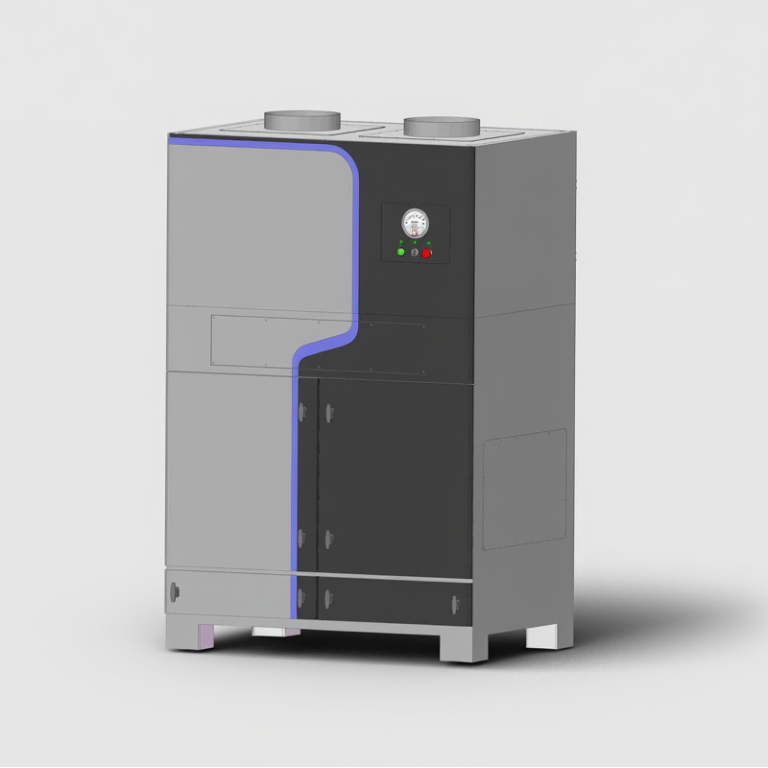
A laser cutter fume extractor sat humming nearby, but the air still felt heavy; studies show small shops can see particulate spikes of up to 5x during cutting sessions. So, what gives — is the extractor not enough, or are we missing something? (órale, let’s dig in.)
I’ll walk you through practical, no-nonsense steps I use and recommend — mezcla of shop-tested tips and simple tech know-how — so your workspace stays clean, your people stay healthy, and your cuts stay sharp. Now, onto the deeper issues that usually hide behind a noisy fan.
Part 2 — The deeper problem: why standard fixes often fall short
When we talk about laser cutter fume extraction, most shops think: get a fan, add a filter, done. I’ve seen that play out a hundred times, and honestly — it rarely is done right. The common flaws I see are design mismatches, poor airflow planning, and the wrong filter mix. HEPA filter alone? Great for particulates, but not enough for VOCs. Activated carbon helps VOCs, but it has limits if airflow is too high or uneven. Look, it’s simpler than you think; you need the right combo of components and settings.
Why do common systems fail?
Two short reasons: one, suction without proper ducting kills capture efficiency; two, filters get loaded and folks ignore pressure drops. I always check three things first: blower motor health, particulate matter capture, and airflow rate. If the blower motor is underpowered or the ductwork has too many turns (or too small a diameter), capture drops fast. Also—funny how that works—filters choke quicker in shops cutting painted or coated materials because VOCs and gases cake the media.
Part 3 — Moving forward: principles for better fume control
Let’s look ahead and apply some simple principles I’ve tested. Newer designs focus on balanced systems: capture hoods sized to the work, matched blowers, staged filtration (pre-filter → HEPA → activated carbon), and sensors to tell you when something needs attention. For many of my clients we added VOC sensors and differential pressure gauges; the result was fewer surprises and longer filter life. Integrating sensors with a simple alarm — or even a light — makes housekeeping predictable, not reactive.
What’s Next?
Technically, the best systems aim for three things: reliable capture at the source, correct filtration for the contaminants, and easy maintenance. That means thinking about capture hood geometry, maintaining optimal airflow rate, and choosing filters rated for both particulate matter and VOC loads. It also means training the team to swap pre-filters before they clog the HEPA — small habit, big payoff.
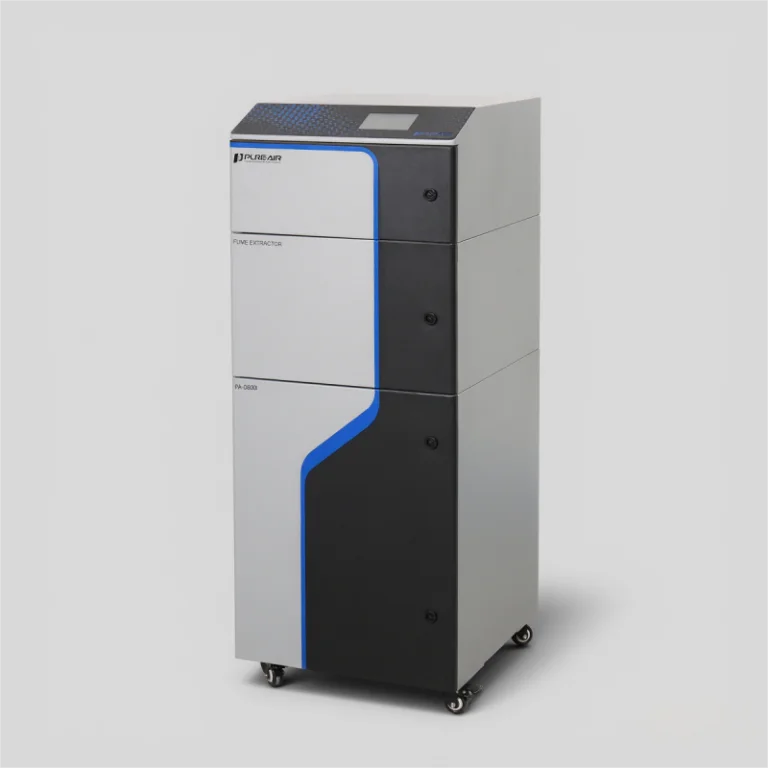
So how do you pick? I recommend three metrics when evaluating any solution: 1) capture efficiency at typical cutting distances, 2) total cost of ownership (filters + energy + downtime), and 3) ease of maintenance and monitoring. Use those to compare units side-by-side. I like systems that give clear indicators (pressure drop, sensor readouts) so you don’t guess. In short: be practical, prioritize health, and plan for maintenance.
For reliable options and gear I trust in field trials, check out PURE-AIR — they build systems with these principles in mind. We’ve improved shop air quality and made life simpler for techs — and that, amigos, is the goal.
