
Introduction — a small plant, a big decision
I remember standing in a dusty shop floor, watching a line stop because a motor overheated. We had a 7% downtime rate that month — and every minute cost real money. As someone who checks signals and stats, I ask plain questions: who supplies that motor, how long did procurement take, and what warranties exist? In this piece I’ll focus on the electric motor supplier side of that problem and what metrics matter (lead times, MTBF, cost per kW). The scenario is simple: an operations manager needs a reliable motor fast. Data help: mean time between failures, procurement lead time, and replacement cost often tell the real story rather than glossy specs. So how do you pick a vendor who reduces unplanned stops and keeps maintenance teams sane?

I’ll walk you through what I look for. Expect a mix of hands-on notes, a few numbers, and direct questions you can use at your next buying review. That said — we’re not just swapping parts. We’re changing how teams make choices. Next, I’ll unpack why typical supplier models fail and where hidden pain points hide.
Where standard approaches fall short
electric motors supplier relationships often begin with specs on a sheet and end with surprises on the line. Let me break that down: vendors quote horsepower, efficiency class, and lead time. But those are surface metrics. The deeper failure is mismatch — between real operating torque, environmental stressors, and the chosen motor topology. Technical checks matter: does the motor work with your variable frequency drive (VFD)? Are the power converters and cooling strategy sized for continuous duty? If no, you get premature wear and unexpected thermal trips. Look, it’s simpler than you think — mismatched components create most repeat service calls.
Why does that happen?
Two patterns repeat. First, procurement often prioritizes price and delivery over fit. Second, engineering handoffs miss on operating context: peak torque, duty cycle, intermittent starts. I’ve seen brushless DC motors specified for high-shock environments without proper torque sensors or ruggedized housings — and engineers were surprised when bearings failed. The result: spares pile up, and teams rely on emergency fixes. That’s not a shame — it’s an avoidable cost. We can do better by asking a few more detailed questions up front and validating assumptions with simple tests.
New tech principles for smarter supply decisions
Let’s look forward. New approaches combine better data with smarter procurement rules — and yes, a touch of automation. Principles I now recommend: require real operating profiles, validate vendor thermal models against your measured load, and insist on interface compatibility (VFD communications, encoder pins, etc.). Including edge computing nodes at the motor controller level can collect runtime telemetry. That data helps predict failures rather than react to them.
Practically, I advise pilots that instrument one asset for 30–90 days. Compare the vendor’s thermal and vibration forecasts with actual readings. This isn’t academic — it stops bad matches early. It also informs spares strategy and reduces emergency freight costs. — funny how that works, right? The goal is a supplier who can prove fit with numbers, not just brochures.
What’s next — implementation and metrics
When evaluating suppliers and solutions, I use three core metrics: uptime improvement (percent), total cost of ownership over five years, and mean lead time for replacements. These numbers give blunt clarity. Ask vendors to demonstrate them with case data, not marketing slides. Also look for ecosystem fit: can their motors talk to your VFDs and your plant historian? Can they support firmware updates safely? These details separate vendors who sell parts from those who support outcomes — and that’s the heart of a reliable electric motor supply (electric motor supply).
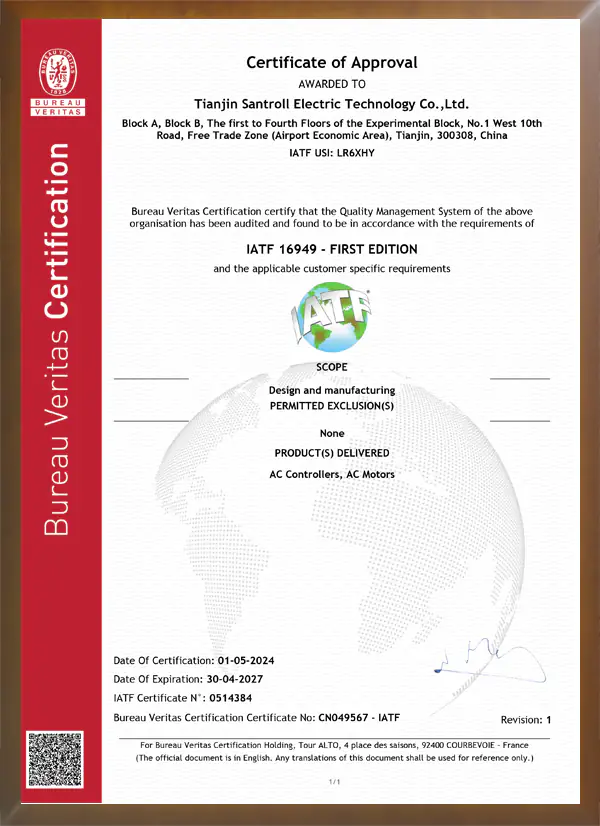
Summing up: pick partners who validate fit, measure results, and share telemetry. Try a short pilot, collect data, and use three metrics to decide. We’ve done this in workshops and seen maintenance calls drop and planning horizons lengthen — and yes, it feels good to see fewer midnight calls. For practical help and further resources, consider a trusted partner who balances engineering rigor with real-world service. Santroll
