 John
JohnExploring the open waters aboard a pleasure vessel is a dream for many, but it requires more than just enthusiasm to ensure safe and seamless navigation. The Pleasure Vessel Operator Certificate of Competency (PVOCC) is an essential qualification for individuals aiming to operate recreational boats responsibly. This article sheds light on the importance, r 二級遊樂船試題 equirements, and advantages of acquiring this certification, emphasizing its role in fostering safe and enjoyable boating experiences.
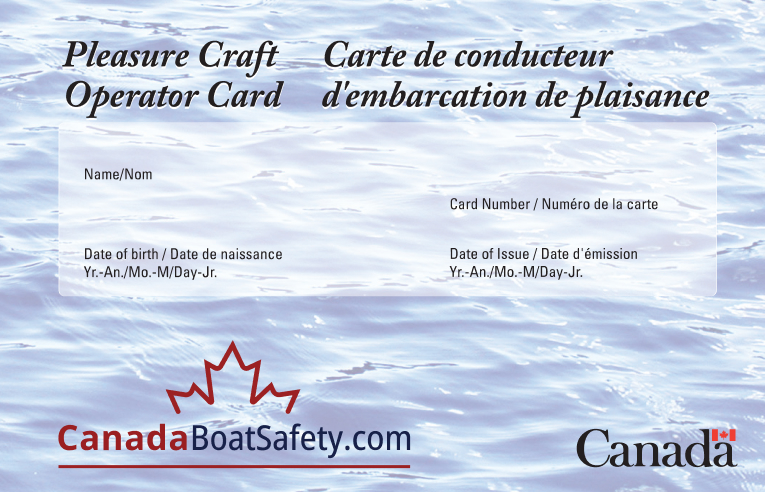
Why Certification Matters: Ensuring Safety and Expertise
The PVOCC serves as a vital measure to uphold safety and professionalism in recreational boating. Operating a pleasure vessel involves more than steering; it demands a solid understanding of maritime laws, navigation protocols, and safety procedures. Certification ensures operators possess the requisite skills to manage potential risks, protect passengers, and respect marine ecosystems. Beyond personal competence, the PVOCC contributes to overall maritime safety, reducing accidents and fostering trust among waterway users.
Getting Certified: Eligibility and Process
Acquiring a PVOCC begins with meeting specific eligibility criteria, which often include a minimum age requirement and physical fitness. Applicants typically undergo a comprehensive application process that involves submitting personal documentation, medical certificates, and evidence of prior boating experience, if applicable. Following this, candidates must complete an accredited training program. This includes theoretical lessons on navigation, maritime regulations, and vessel maintenance, as well as practical sessions to demonstrate operational skills and situational awareness.
Learning the Ropes: Comprehensive Training Modules
The training curriculum for the PVOCC is meticulously designed to equip operators with a broad spectrum of skills. Theoretical components cover crucial topics such as weather forecasting, collision regulations, and maritime signaling. Practical training sessions focus on real-world scenarios, including emergency response, docking, anchoring, and route planning. By blending classroom instruction with hands-on experience, candidates gain the confidence to handle various situations, from smooth sailing to challenging conditions at sea.
The benefits of Certification: Building Credibility and Opportunities
Earning a PVOCC is not just about meeting legal requirements; it also opens the door to numerous benefits. Certified operators are viewed as reliable and skilled, increasing their credibility in the boating community. This certification can facilitate access to premium services, such as chartering high-value vessels or joining exclusive yacht clubs. Moreover, for those looking to turn their passion for boating into a career, the PVOCC provides a strong foundation for advanced maritime qualifications and professional opportunities in sectors like marine tourism and yachting.
Charting a Lifelong Course: Continuous Learning and Mastery
The journey of a certified vessel operator doesn’t end with obtaining the PVOCC. As maritime technology evolves and regulations change, staying updated is crucial. Operators are encouraged to pursue ongoing education through advanced courses and refresher training programs. This commitment to lifelong learning enhances skills, fosters innovation, and ensures adherence to the highest safety standards. By embracing continuous improvement, operators not only protect themselves and their passengers but also contribute to a culture of responsible boating.
The Pleasure Vessel Operator Certificate of Competency is more than a requirement—it’s a gateway to mastering the art of recreational boating. By achieving this certification, operators gain the skills and confidence to navigate waterways safely and responsibly, unlocking a world of adventure while prioritizing the well-being of all who share the marine environment.
