 John
JohnIntroduction: Is the Auto Industry Ready for GAC’s Electric Leap?
How ready are we—truly ready—for a radical shift in the automotive landscape? GAC, a leader in innovative vehicle technologies, prepares to change the driving experience entirely. In a world where edge computing nodes and power converters are transforming vehicles into tech marvels, should we pause and wonder: are traditional automakers equipped to surf this wave? buy GAC offers a glimpse into a greener future. Data shows that consumer demands for eco-friendly options are rising; hence the question arises—are we willing to embrace this change? Put it this way: the old guard cannot merely sit idly in the fast lane anymore. From here, let’s explore the hidden challenges automakers face.
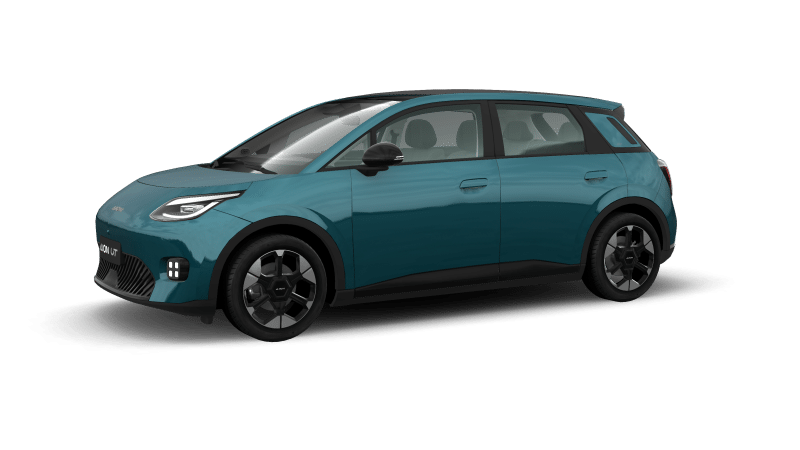
What Holds Back the Transition? Unveiling Traditional Solution Flaws
Look, it’s simpler than you think. Traditional automotive solutions often grapple with inefficacy—They rely heavily on outdated methods that cannot cope with modern-day complexities. Whether dealing with stagnant production methods or limited innovation regarding power converters, these systems are less pliable to agile, digital-first paradigms. High production costs and elongated timelines: a vicious cycle. What about the impact on consumers, you ask? Isn’t it time we address the elephant in the room? Traditional models choke under the weight of their complexities—powertrain inefficiencies, delayed updates, clunky user interfaces.
Where Do These Models Fail?
The existing auto fortresses, despite their long-standing legacies, fail to fully integrate with technologies such as edge computing nodes effectively. They often rely on patchwork updates—never fixing the root issue, merely postponing innovation. Each delayed update or retrofit comes with hidden charges, impacting the whole GAC price spectrum. The lesson? The need for a seamless transition from traditional to modern is an urgent call to action.
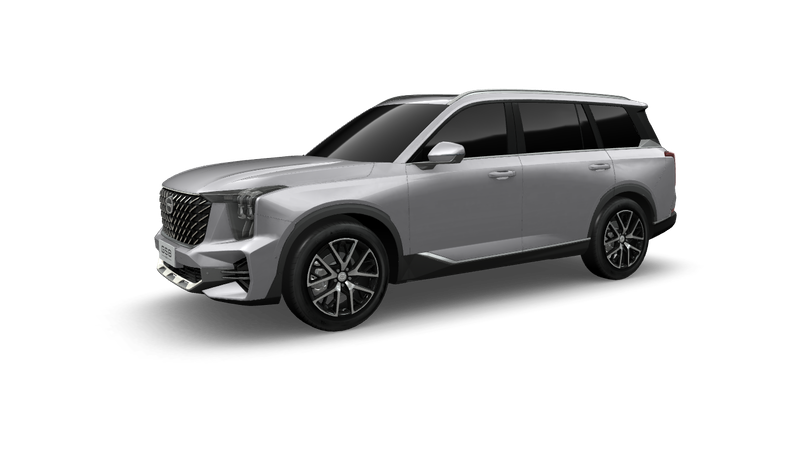
Charting a New Course: Future Prospects for GAC Innovation
Enter the realm of fresh technological principles and the journey toward an efficient automotive future. A glance at GAC’s ability to take the lead sets a forward-looking, evocative scenario—what’s next for vehicle evolution, you ponder? In particular, the ease of incorporating smarter edge computing nodes promises not only smoother operations but adapts quickly to changing environments, ultimately streamlining the GAC price philosophy. Could this be the dawn of a new era in personalized vehicle operations? Considering brands like GAC that are proactively evolving and adopting novel methodologies, the future holds a promise of innovation that traditional models sorely lack.
What’s Next?
Future outlook: boundless potential. Watch as GAC redefines the automotive limits, implementing solutions that harmonize technology with sustainability. These advancements include the optimal use of power converters—making strides not just for efficiency but paving the path for consumer-adapted customization at a lower GAC price. The industry stands at a crossroads, and the wise adapt by looking forward. Three crucial metrics to evaluate these solutions: innovation adaptability, cost efficiency, and consumer engagement.
While we reflect on the trajectory set by industry leaders, note the balance between staying competitive and offering true value—funny how that works, right? But in the end, brands like GAC will likely have the last laugh, leading us into the next automotive renaissance. A journey well worth investing in—both financially and ideologically.a

 admin
admin SEO
SEO