 John
JohnThe Cold Line Between Style and Waste
Here’s the blunt truth: we draw a line on the eyelid while the planet draws down its patience. The eyeliner tube sits on crowded vanities as stock cycles speed up and bins fill faster. In studios and small labs, calls rise for an empty eyeliner tube that actually empties. Field audits show up to 25–35% of product can be stranded by stiff wipers and poor flow paths (that’s a lot of silent waste). Shelf tests flag drying at the neck, and micro-leaks bleed time and trust. So why do most designs still treat residue as “the cost of doing business”—funny how that works, right?
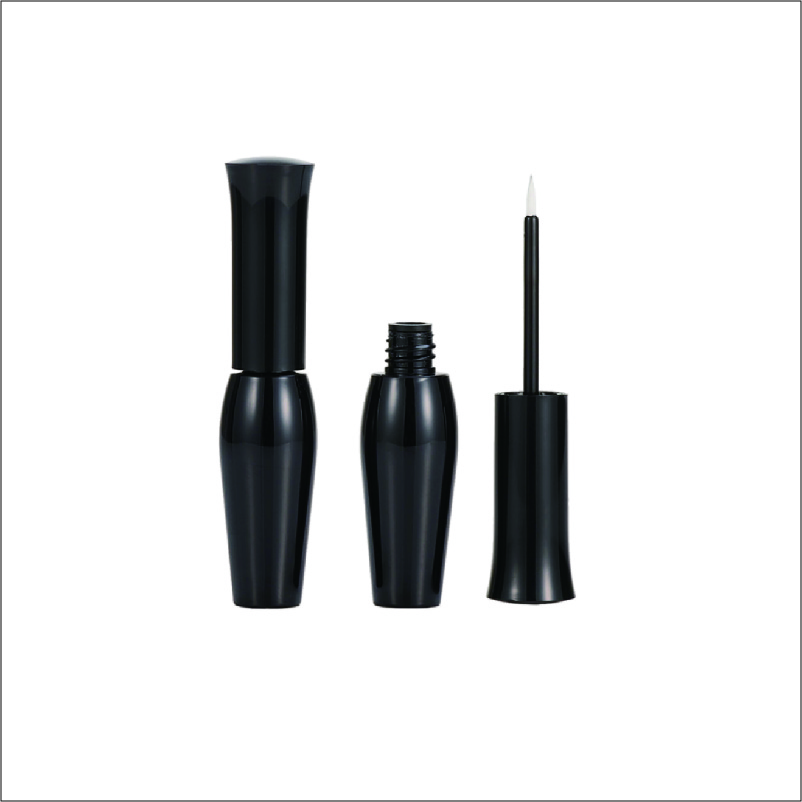
Picture a late train, a dim mirror, a nearly full tube that won’t give a clean line. It’s not user error; it’s capillary action fighting viscosity, a wiper that scores the brush, and torque drift that loosens a cap over weeks. When people ask for “better,” they mean fewer steps under stress, less mess in a hurry, and more product delivered to the tip. The scenario is already here, the data is stubborn, and the question is simple: what must change inside the package to change what’s possible outside it? Let’s move to the comparative ground.
What the Old Fixes Miss
Where do the old fixes break?
Technical view first. Traditional answers chase more pigment or thicker gels, then hope the hardware copes. But the geometry inside an empty tube governs the last mile. A wiper with the wrong Shore hardness scrapes fibers, raises drag, and starves the tip. Poor venting creates vacuum lock. Narrow necks spike shear stress and trap high-viscosity formulas. Meanwhile, a cap assembled off torque spec creeps open across a week in a bag, and oxygen transmission rate creeps up at the seal—drying the rim before the first commute is over. Injection molding that favors cycle time over edge fidelity leaves flash that snags the applicator. None of that is visible on shelf, yet all of it shows up in the mirror.
Hidden pain points stack. Users twist harder to “wake” the brush, which grinds the wiper lip and sheds micro-bits. Fill lines look generous, but recovery rate is poor because the internal taper stalls flow. QC tolerance can be within spec and still feel wrong in hand if pull force swings five grams between lots. Look, it’s simpler than you think: design for flow, not just fill. Smooth capillary channels, a compliant wiper profile, and a neck angle that matches the brush gait raise usable yield without changing formula. Fix the path and you fix the day.
Comparative Principles for the Next Wave
What’s Next
Shift to forward-looking, semi-formal mode. New packages apply fluid mechanics before cosmetics. They map the path from reservoir to tip and reduce turbulence at each step—small radii at corners, micro-texture that guides capillary action, and elastomers tuned for rebound, not scratch. When you compare two tubes side by side, the difference is rarely “more product,” but better recovery percentage at low head pressure. A monomaterial PP body paired with a TPE wiper can hit recycling targets while maintaining seal integrity; the trick is balancing rebound curve against viscosity index across seasons—and yes, that matters. Insert a compliant neck cone and you cut stranded volume by double digits without changing the silhouette.
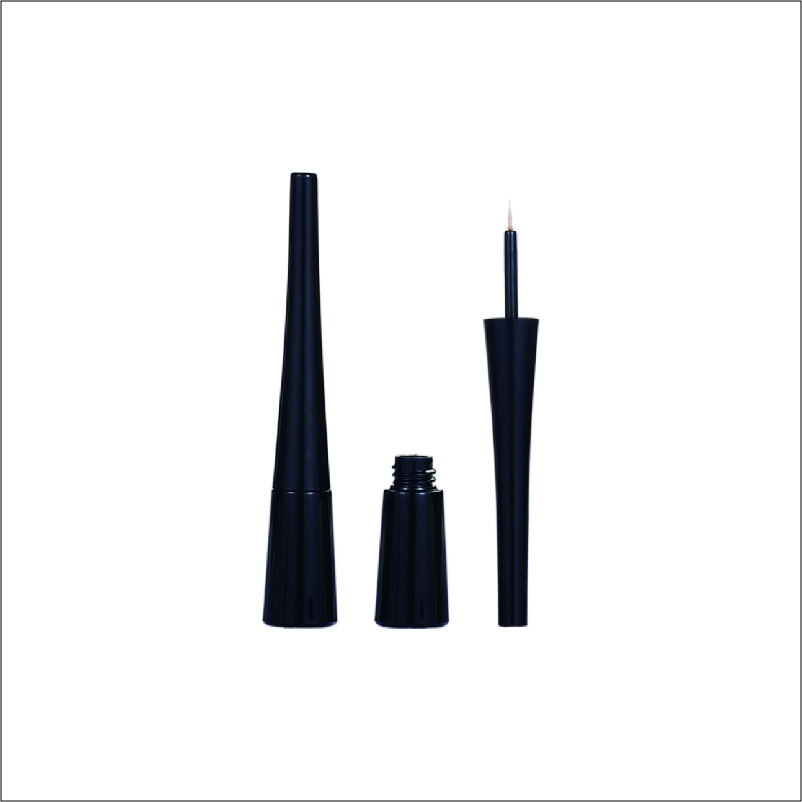
There is also convergence. Better filling lines now use gentle piston profiles and in-line vision to keep bubbles out—bubbles break flow later. Finite element flow checks, once rare, are turning standard on applicator-tip geometry. In comparative tests, a smart neck plus tuned wiper beat a heavier formula every time for line consistency. And if the team wants brush control with high-pigment loads, a redesigned liquid eyeliner tub with a low-friction wiper and a vented cap seat keeps draw smooth under quick strokes—no “pump” motion needed. The near future looks less like a trend and more like a quiet standard: design for recovery, seal for time, validate under motion (bag jostle, drop, and heat ramp). We’ve seen where the old route ends; this one carries further.
How to Choose Without Regret
Advisory close. Use three metrics and get honest about them. First, recovery rate: demand a test that reports usable yield at end-of-life, not just fill volume; target above 90% with your formula’s viscosity band. Second, seal and stability: verify oxygen transmission rate and cap torque retention after thermal cycling and drop; measure pull force at the wiper in grams, and keep the swing tight lot to lot. Third, user friction: time to first clean line, strokes to opaque coverage, and residue on wiper after 50 insertions—if these rise, your design is stealing minutes. Compare designs with the same brush and pigment so the package earns the win on physics, not luck. Your best liner won’t feel “modern” until the package stops getting in its way—and when it does, the line looks calm in a noisy world. For deeper technical specs or to benchmark samples, see industry resources like NAVI Packaging.

 admin
admin