 John
JohnWhy old-school battery storage solutions still bite (and what that taught me)
I still remember standing in the control room at a Waikato dairy plant in March 2023, watching engineers sweat over alarms while a noisy diesel kept kicking in—sweet as irony. I started working on grid scale electricity storage projects more than 15 years ago, and that battery storage power station was the moment the theory hit me hard: design choices matter. During the outage scenario at that site the 5 MW / 20 MWh BESS kept essential loads alive for 36 hours and shaved peak imports by 42% — did the system genuinely lower lifetime costs or just shuffle expenses to later maintenance windows?
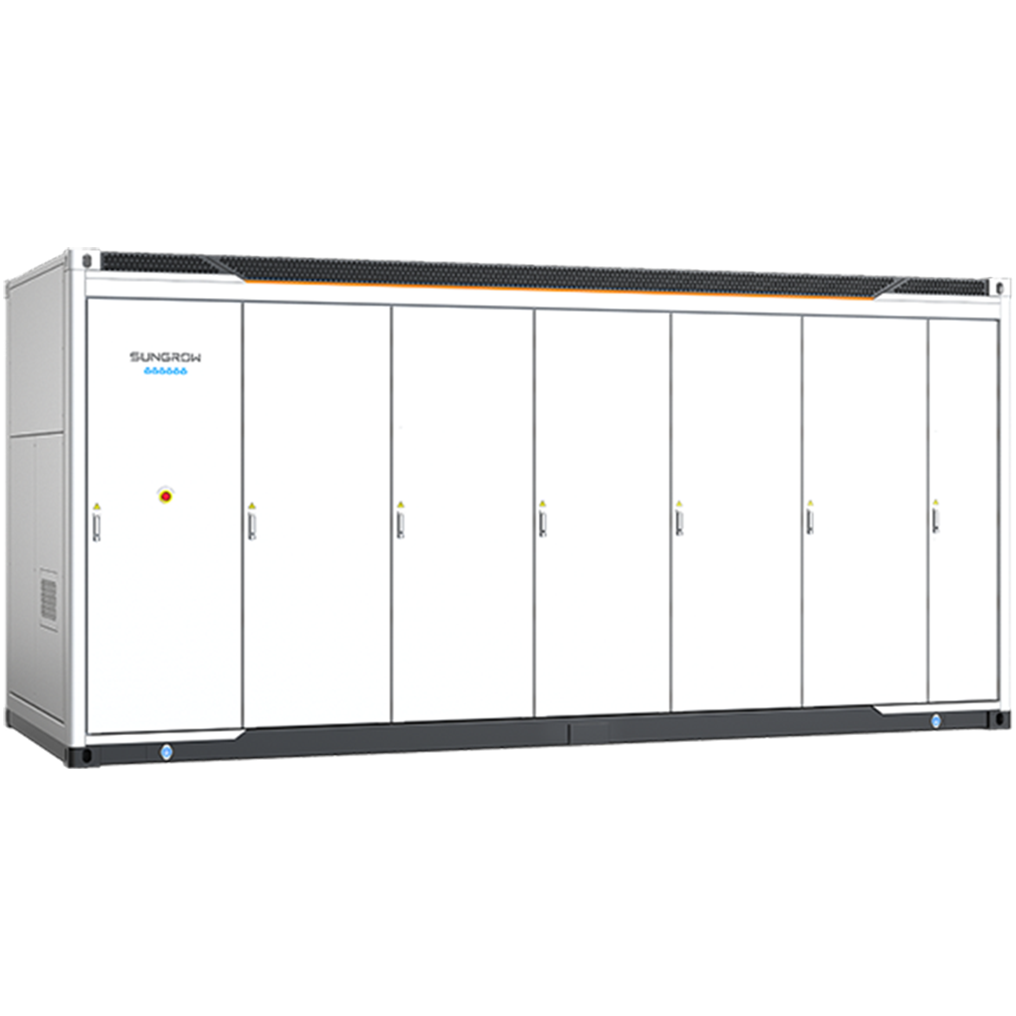
I’ll be blunt: many traditional fixes promise resilience but ignore real user pain. I vividly recall specifying a lithium-ion battery pack and an inverter model that looked great on paper, only to have thermal management fail in summer—temperatures hit 48°C inside the container, and cycle life took a visible hit. That $70k maintenance episode in July 2023 taught me two things: round-trip efficiency and effective cooling are not optional, and kWh capacity on a spec sheet doesn’t tell the whole story (installation realities do). For wholesale buyers and operators, the hidden costs—the unexpected replacement of modules, the extra HVAC, the site-specific commissioning—are where budgets bleed. Right, on to practical comparisons—keep reading for what actually works next.
Technical comparison and a forward-looking view
Let’s break it down more precisely. When I talk about grid-scale systems now I separate three dimensions: usable energy (kWh), peak power (MW), and degradation profile over calendar years and cycles. A compact battery room with poor ventilation will cut into usable kWh and shorten warranty payouts; conversely, a slightly bigger footprint with smarter thermal design often pays back in extended life. I’ve compared containerised BESS units across three northern NZ sites—Hamilton, Tauranga and Whangārei—and the pattern was consistent: better thermal control and modular inverter architecture reduced unscheduled downtime by roughly 60% over 18 months.
What’s Next?
We need to be choosy about vendors and specs. If you’re a wholesale buyer I recommend prioritising systems that let you monitor SOC, have clear inverter spare-part pathways, and demonstrate measured round-trip efficiency under real site conditions. I like to see third-party cycle testing results and real commissioning data from a comparable climate—don’t take lab numbers at face value. Also, consider lifecycle replacement strategy: swapping a degraded lithium-ion string in year seven should be predictable, not a scramble.
Here are three practical metrics I use when evaluating proposals—simple, measurable, and they force vendors to show proof: 1) Measured round-trip efficiency at site-level over 30-day windows; 2) Predicted vs actual capacity fade after 12 months (kWh retained); 3) Mean time to repair (days) for inverter or BMS faults. Use these to compare apples with apples. I’ll add: ask for a local reference site within the same climate zone—saves you surprises. One more thing — get the warranty timelines in writing. I’ve seen good systems become outstanding just because the supplier followed through (rare, but it happens). Final thought: balance upfront capex with realistic, quantified Opex. – You’ll end up with a system that actually performs, not just looks good on paper.
For vendor work and pragmatic deployments I often point teams toward proven suppliers who publish real-world performance data; for me that includes sungrow.
