 SEO
SEO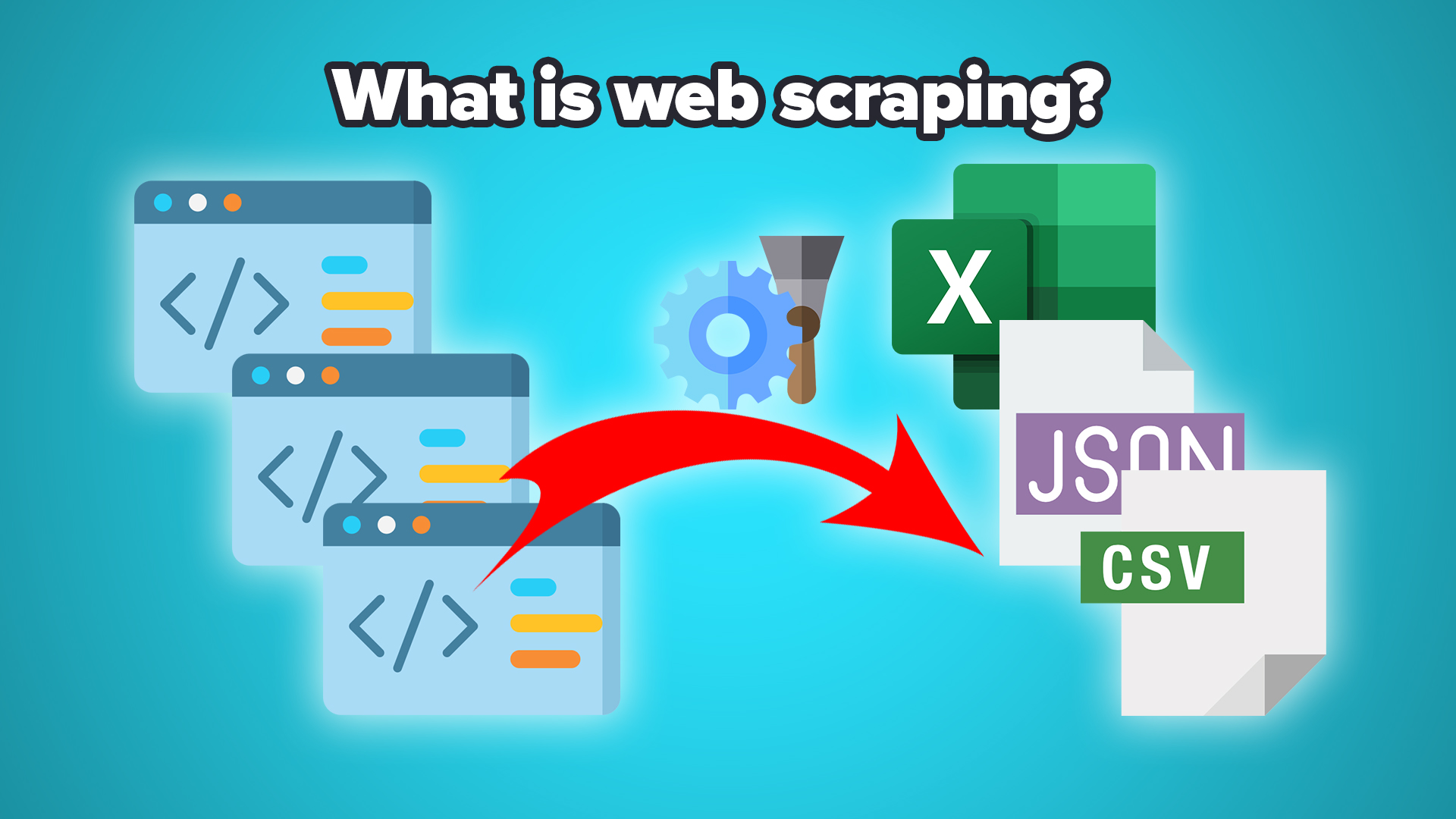
In today’s fast-paced digital world, data is a powerful asset for businesses, helping them make informed decisions, optimize operations, and stay ahead of competitors. Traditional methods of gathering business intelligence can be time-consuming and limited, but web scraping offers a more efficient and scalable solution. By Web Scraping Tool automating the extraction of data from websites, web scraping allows businesses to gather valuable insights that would otherwise be difficult to obtain. In this article, we’ll explore how web scraping can revolutionize your business analytics and unlock new opportunities for growth.
- Access to Real-Time Market Data
One of the most significant advantages of web scraping is its ability to provide businesses with real-time data. Market trends, competitor pricing, customer reviews, and product availability can all change rapidly, and staying on top of these changes is essential for making quick, informed decisions. Web scraping allows you to monitor your competitors’ websites, track changes in product prices, analyze customer sentiment, and collect other real-time data to adjust your strategies accordingly. This kind of immediate access to market information gives businesses a competitive edge by enabling them to respond to market shifts in real time.
For instance, e-commerce businesses can use web scraping to track product prices and promotions across multiple platforms, ensuring they remain competitive. Similarly, companies can monitor competitor launches and product updates, allowing them to quickly pivot and adapt their offerings to meet changing demands. With web scraping, businesses can automate the collection of this data, saving time and ensuring that they always have the most up-to-date insights available for analysis.
- Enhanced Market research and Consumer Insights
Web scraping can significantly enhance market research efforts by enabling businesses to collect vast amounts of unstructured data from multiple sources, such as social media, blogs, news outlets, and online forums. This data can provide valuable insights into consumer preferences, behavior, and emerging trends, helping businesses refine their products, services, and marketing strategies.
For example, scraping customer reviews and comments on e-commerce sites or social media platforms allows businesses to understand consumer sentiment, identify common complaints or product praises, and discover gaps in the market. By analyzing this data, businesses can make data-driven decisions to improve customer satisfaction, identify popular features, or spot emerging trends that may indicate a shift in consumer preferences. Additionally, web scraping can help businesses track the success of marketing campaigns and evaluate how well their target audience is responding.
- Competitive Intelligence and Strategy Optimization
Web scraping plays a crucial role in competitive intelligence by providing businesses with up-to-date data about their competitors. Tracking competitors’ pricing, promotions, product offerings, and marketing strategies allows businesses to identify gaps in the market and optimize their own strategies. This type of data is invaluable for businesses looking to maintain a competitive edge, as it helps them identify weaknesses in their competitors’ strategies and capitalize on them.
For instance, an e-commerce company can use web scraping to analyze its competitors’ product catalogs, identify which products are most popular, and adjust its inventory and marketing efforts accordingly. Scraping competitor websites for pricing data allows businesses to adjust their pricing strategies to stay competitive, while monitoring promotional offers helps identify opportunities for launching similar or more attractive deals. By using web scraping for competitive analysis, businesses can improve decision-making, streamline operations, and stay ahead of the competition.
- Data-Driven Decision Making for Better Predictions
In business analytics, data-driven decision-making is key to improving efficiency, increasing profitability, and reducing risks. Web scraping enhances predictive analytics by providing businesses with access to large datasets that can be analyzed to identify patterns and trends. For example, by scraping data on customer behaviors, buying patterns, and market trends, businesses can build predictive models that forecast future demand, anticipate market shifts, and optimize supply chains.
Businesses can also leverage web scraping to gather historical data on stock prices, economic indicators, and market performance, enabling them to make more accurate predictions about financial performance and investment opportunities. For example, financial analysts can scrape news sites, blogs, and forums for information on stocks, corporate performance, and economic conditions to enhance their predictions and recommendations. This predictive capability can lead to smarter, data-driven decisions that align with market dynamics and maximize profitability.
- Automating Data Collection for Scalability and Efficiency
The scalability of web scraping makes it an invaluable tool for businesses looking to streamline their data collection processes. Manually collecting data from multiple sources can be time-consuming, error-prone, and inefficient, especially when the volume of data increases. Web scraping automates this process, allowing businesses to extract large volumes of data from various websites in a fraction of the time it would take to do manually. This increased efficiency frees up resources, reduces the likelihood of human error, and ensures businesses can access fresh data without the need for constant manual intervention.
For example, web scraping allows businesses to automatically collect data on thousands of products from online marketplaces, e-commerce sites, or real estate listings. This data can then be processed, analyzed, and used to inform business decisions. By automating data collection, businesses can scale their analytics operations and stay on top of ever-changing market conditions without the need for additional personnel or resources.
Conclusion
Web scraping is a game-changer for businesses looking to enhance their analytics capabilities. By providing access to real-time data, improving market research, enabling competitive intelligence, and supporting predictive analytics, web scraping can help businesses make more informed decisions, stay competitive, and unlock new growth opportunities. Moreover, its scalability and efficiency make it a valuable tool for businesses of all sizes, enabling them to automate data collection and focus on leveraging insights for strategic advantage. As data continues to play a central role in driving business success, web scraping will undoubtedly remain a powerful tool in revolutionizing business analytics.

 John
John