 SEO
SEO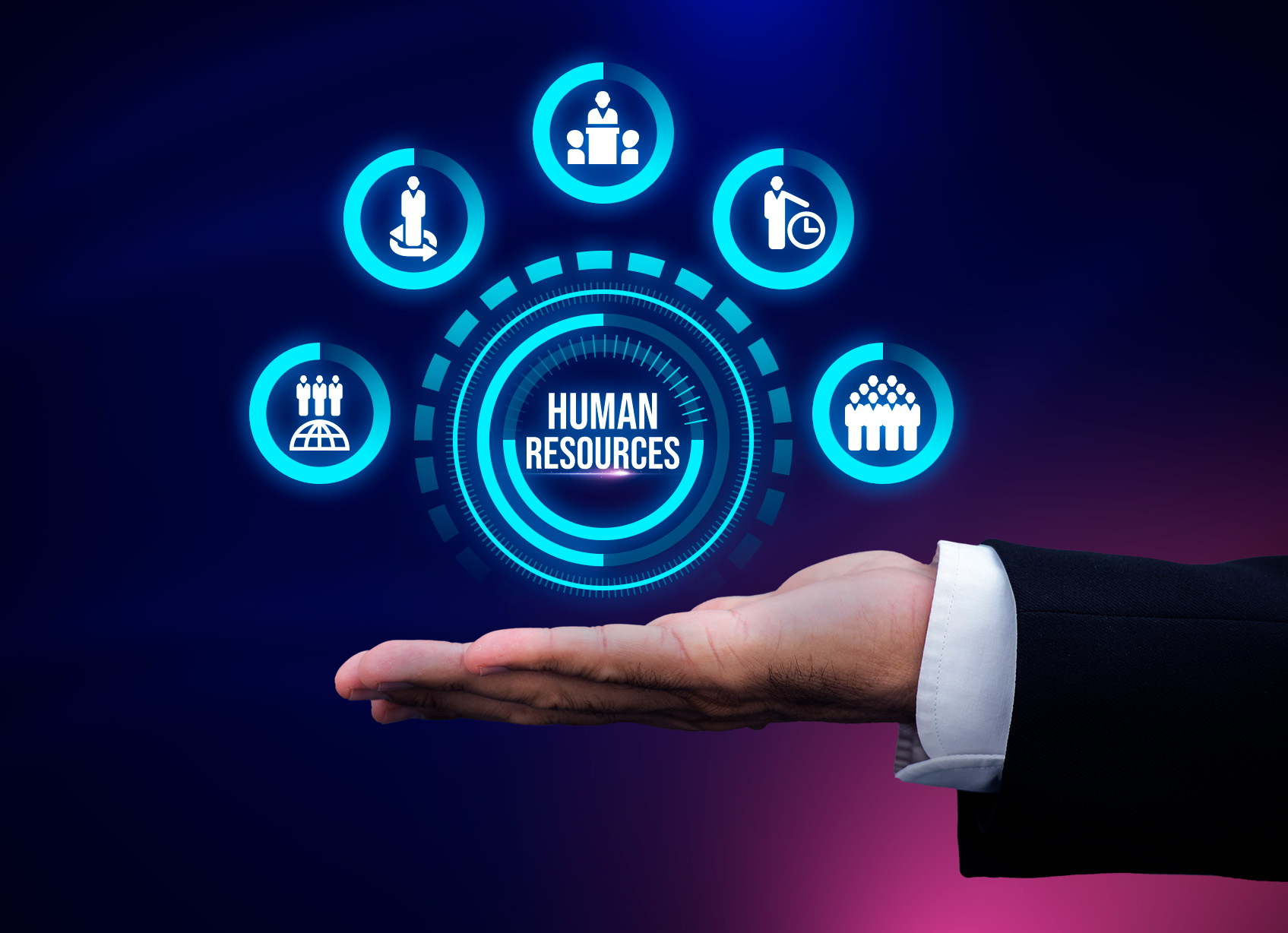
Human Resource (HR) systems have evolved from simple record-keeping tools into complex platforms that play a crucial role in managing modern workforces. This transformation has had significant implications for how organizations handle HR functions, from recruitment and payroll to compliance and employee engagement. This article explores the development hr system features, and future of HR systems and their impact on organizational efficiency and employee satisfaction.
- Historical Overview
HR systems began as manual processes involving paper-based records and ledgers. Early HR management relied on physical files to track employee information, manage payroll, and administer benefits. These manual systems were labor-intensive, error-prone, and challenging to scale as organizations grew. The need for more efficient solutions led to the development of early digital HR systems, which automated basic tasks and improved data accuracy. - Transition to Digital Solutions
The introduction of digital HR systems marked a significant shift in human resource management. Early digital systems automated routine functions such as payroll processing and benefits administration. This automation reduced manual errors and administrative workload, allowing HR professionals to focus more on strategic activities rather than day-to-day operations. This transition set the stage for more advanced HR technologies. - Integration and Unified Platforms
Modern HR systems are distinguished by their ability to integrate various HR functions into a single, unified platform. This integration ensures that all HR-related data, including employee records, payroll, benefits, and performance metrics, is consolidated and easily accessible. Unified platforms eliminate data silos, enhance accuracy, and provide a holistic view of workforce management, enabling more informed decision-making. - Cloud-Based HR Systems
The advent of cloud technology has been a game-changer for HR systems. Cloud-based solutions offer flexibility, scalability, and remote access, allowing organizations to manage HR functions from anywhere with an internet connection. This shift to the cloud reduces the need for on-premises infrastructure, lowers maintenance costs, and provides continuous updates and improvements, making it easier for organizations to stay current with technological advancements. - Employee Self-Service
A significant development in HR systems is the implementation of employee self-service portals. These portals allow employees to manage their own HR-related tasks, such as updating personal information, requesting time off, and accessing pay stubs. Self-service features empower employees, enhance their experience, and reduce the administrative burden on HR departments, leading to more efficient operations. - Advanced Analytics and Reporting
Modern HR systems incorporate sophisticated analytics and reporting tools that provide valuable insights into workforce dynamics. By analyzing data on employee performance, turnover, and engagement, HR professionals can identify trends, measure effectiveness, and make data-driven decisions. These analytics help organizations optimize HR strategies, address potential issues, and improve overall workforce management. - Talent Management and Development
Talent management is a core component of contemporary HR systems. These platforms offer tools for performance management, career development, and succession planning. By leveraging these features, organizations can track employee progress, identify high-potential talent, and create development plans aligned with both individual and organizational goals. This proactive approach supports long-term growth and helps retain top talent. - Compliance and Risk Management
Compliance with labor laws and regulations is a critical function of HR systems. Advanced platforms include features that help organizations manage compliance requirements, such as automated tax calculations, regulatory reporting, and audit trails. These tools ensure that HR departments can navigate complex legal environments effectively, reducing the risk of non-compliance and potential legal issues. - Enhancing Employee Experience
HR systems play a crucial role in enhancing the overall employee experience. Features such as streamlined onboarding processes, employee feedback mechanisms, and engagement surveys contribute to a positive work environment. By focusing on employee satisfaction and well-being, HR systems help organizations foster a motivated and engaged workforce, which can lead to increased productivity and retention. - Future Trends and Innovations
The future of HR systems is likely to be shaped by ongoing technological advancements. Emerging trends such as artificial intelligence (AI), machine learning, and advanced automation promise to enhance HR capabilities further. These innovations will enable more personalized employee experiences, predictive analytics, and streamlined HR processes, positioning HR systems as essential tools for future organizational success.
Conclusion
HR systems have evolved significantly, from basic manual tools to sophisticated digital platforms that integrate various HR functions and provide valuable insights. By centralizing HR operations, leveraging data analytics, and embracing new technologies, modern HR systems enhance organizational efficiency and employee satisfaction. As technology continues to advance, HR systems will play an increasingly important role in shaping the future of workforce management and driving organizational growth.

 John
John Baniza