 John
John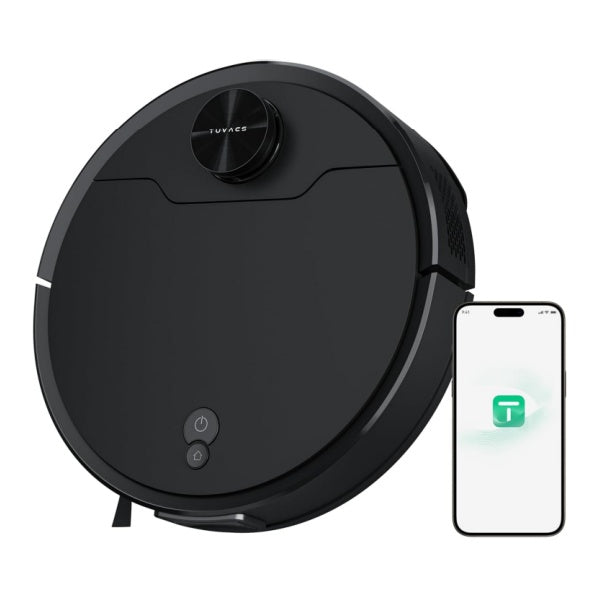
Did you know that over 30 million robot vacuums were sold worldwide in just one year? That’s a staggering number, reflecting our growing love for these smart cleaning companions! As we embrace technology to make our lives easier, it’s essential to understand the legal and regulatory attributes surrounding robot vacuum and mop sales.
Click to find more about robot vacuum and mop on sale.The Delightful World of Robot Vacuums and Mops: A Legal Perspective
Robot vacuums and mops are not just innovative gadgets; they come with their own set of legal regulations. These devices must comply with safety standards, consumer protection laws, and environmental regulations before hitting the market. Interestingly, when it comes to Non-Tariff Barriers (NTBs) to Trade, manufacturers face additional challenges such as certification requirements or labeling mandates that can affect international sales. Understanding these aspects is crucial for both consumers looking for quality products and businesses aiming to thrive in this competitive landscape.
Diving Deeper into Remote Controlled Vacuums and Non-Tariff Barriers

remote controlled vacuums add another layer of complexity regarding NTBs. For instance, countries may impose specific technical standards that remote-controlled devices must meet before being allowed entry into their markets. This could include wireless communication protocols or energy efficiency ratings that differ from one region to another. Such regulations ensure consumer safety but can also create hurdles for manufacturers trying to navigate various compliance landscapes across borders.
Tuvacs: Navigating Non-Tariff Barriers with Ease
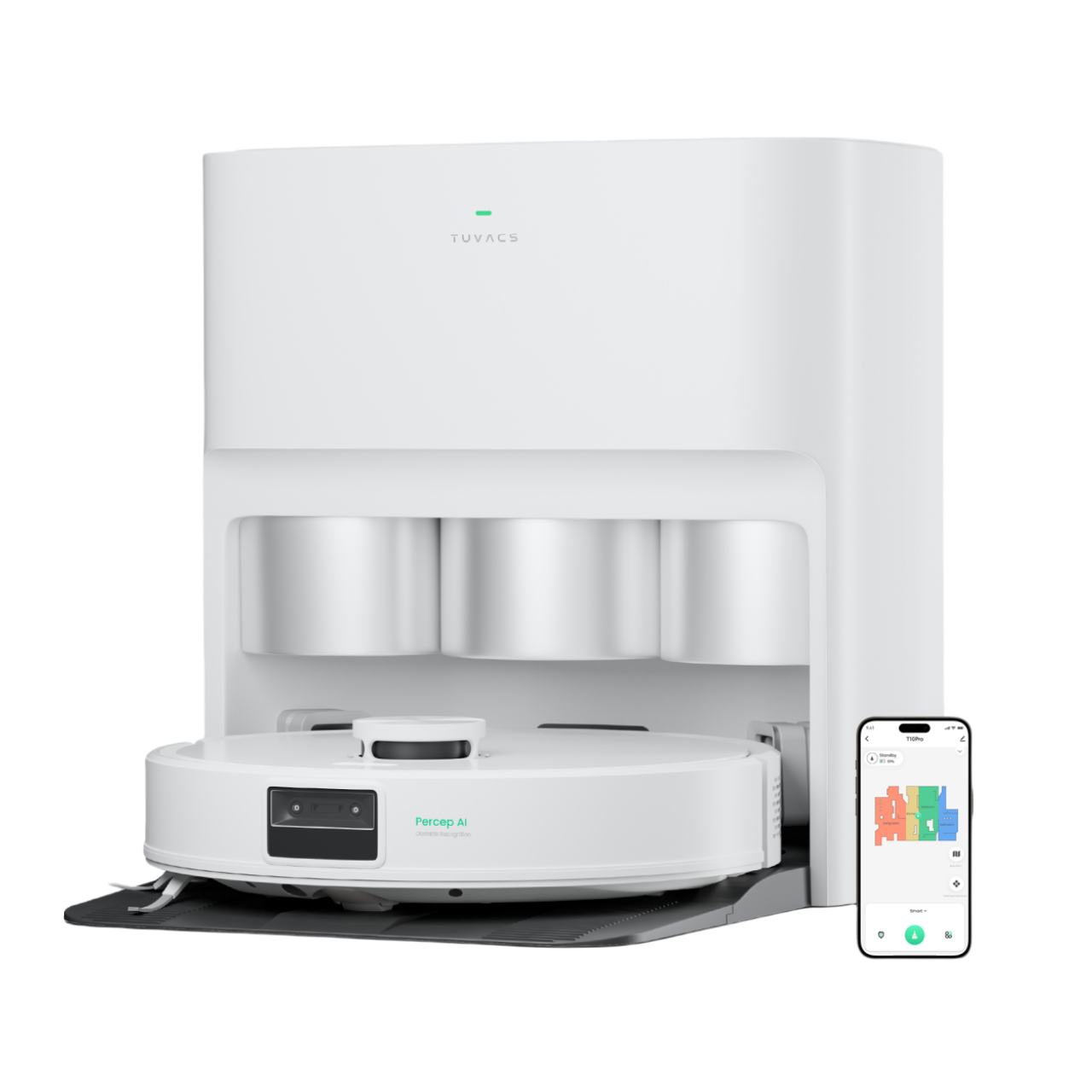
Tuvacs represent a fascinating case study within the realm of NTBs. These advanced robotic cleaners often incorporate cutting-edge technology like AI-driven navigation systems which might require adherence to stringent data privacy laws depending on where they’re sold. Additionally, Tuvacs may need certifications related to electromagnetic compatibility (EMC) due to their electronic components—another example of how NTBs shape product development strategies in this sector!
Conclusion: Embracing Innovation Amidst Regulatory Challenges
In summary, while robot vacuum and mop sales bring joy through innovation in home cleaning solutions, they also highlight significant considerations regarding Non-Tariff Barriers to Trade. From compliance with safety standards to navigating complex regional regulations like those affecting remote controlled models or Tuvacs—it’s clear that understanding these legal frameworks is vital for success in this booming market!

 admin
admin SEO
SEO