 John
John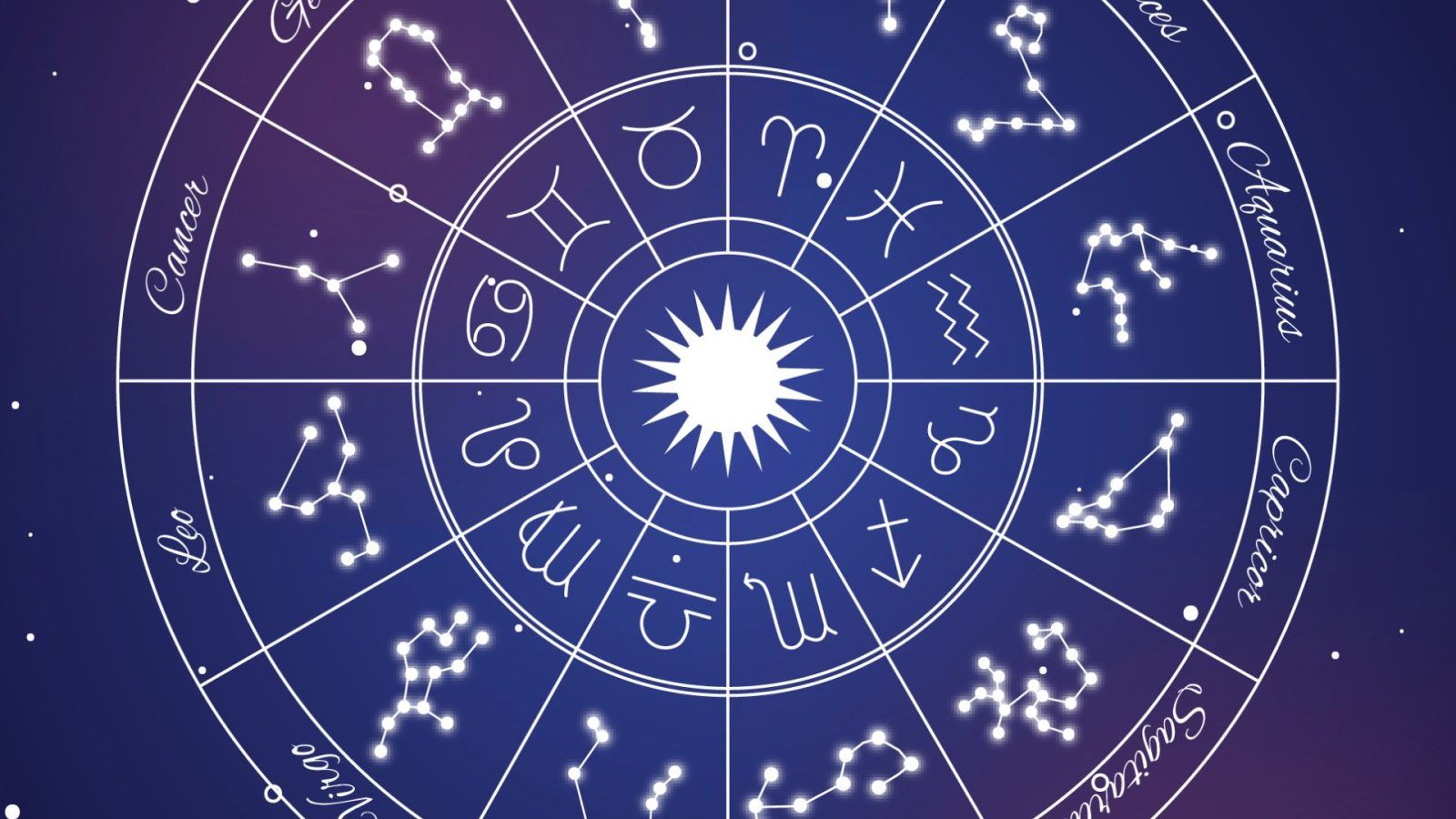
Vedic astrology, also known as Jyotish Shastra, is an ancient system of astrology that originated in India over 5,000 years ago. It is deeply intertwined For Vedic Astrology with spiritual beliefs and practices, providing insights into the individual’s life path, destiny, and the influence of cosmic energies on human affairs. Unlike Western astrology, which primarily focuses on the Sun’s position, Vedic astrology uses the Sidereal Zodiac, which accounts for the precession of the equinoxes and offers a more accurate representation of the planets’ positions. For beginners, understanding the core concepts of Vedic astrology can be a rewarding journey that reveals the profound connection between the cosmos and one’s personal experiences. Here are some key concepts to get started with Vedic astrology.
The first essential concept in Vedic astrology is the birth chart or Janma Kundali. This is a map of the sky at the exact moment of your birth, showing the positions of the planets and the twelve zodiac signs (Rashis). Your birth chart is divided into twelve houses (Bhavas), each representing different areas of life, such as career, relationships, health, and spiritual growth. The placement of planets in these houses and their interactions with each other reveal information about your strengths, weaknesses, personality, and potential challenges. For beginners, understanding the houses and their significance is crucial in deciphering what your chart indicates about your life.
Another fundamental concept is the Nine Planets (Navagraha) in Vedic astrology. These include the familiar planets like the Sun, Moon, Mercury, Venus, Mars, Jupiter, Saturn, and two shadow planets—Rahu and Ketu. Each planet represents specific aspects of life. For example, the Sun symbolizes your soul and individuality, while Venus relates to love, beauty, and relationships. Mercury governs communication and intellect, while Jupiter is associated with wisdom, knowledge, and prosperity. Rahu and Ketu, the shadow planets, have a unique karmic influence and are often linked to desire (Rahu) and spiritual growth or detachment (Ketu). Understanding the characteristics of each planet can help you interpret the deeper meanings of your birth chart.
The Zodiac Signs or Rashis play a critical role in Vedic astrology. The twelve zodiac signs, which are similar to Western astrology, are each associated with specific traits, energies, and planetary rulerships. These signs are Aries, Taurus, Gemini, Cancer, Leo, Virgo, Libra, Scorpio, Sagittarius, Capricorn, Aquarius, and Pisces. Each sign covers a 30-degree segment of the celestial circle. In Vedic astrology, the placement of planets in these signs influences your personality traits, tendencies, and life experiences. For example, someone with their Moon in Cancer might be emotional, nurturing, and intuitive, while someone with Mars in Aries may exhibit assertive, energetic, and action-oriented qualities.
The Houses (Bhavas) in Vedic astrology are just as important as the signs and planets. There are twelve houses in a birth chart, and each house governs different aspects of life. The first house, also known as the Ascendant (Lagna), represents your physical appearance, self-identity, and overall approach to life. The seventh house governs relationships and partnerships, while the tenth house is linked to career and public life. Understanding the houses in your birth chart helps you see how various planets influence specific areas of your life. For beginners, it is vital to know the general meaning of each house to interpret how planetary placements affect you on a more practical level.
Dasha is another key concept in Vedic astrology that governs the timing of events in your life. It refers to the planetary periods that influence different phases of your life. Each planet rules a specific Dasha period, and the length of each period varies according to the planet’s position in your birth chart. The Dasha system helps to identify when certain events are most likely to occur based on the planetary influences at any given time. For instance, a person going through the Dasha of Jupiter may experience a period of growth, abundance, and wisdom, while a person in the Dasha of Saturn might encounter lessons related to discipline, hard work, and responsibility. Understanding your Dasha periods is key to predicting important life events and making better decisions.
Finally, Nakshatras or lunar constellations add another layer of depth to Vedic astrology. The zodiac is divided into 27 Nakshatras, each of which spans 13 degrees and 20 minutes of the celestial circle. Each Nakshatra has its unique qualities and mythological significance. The Moon’s placement in a particular Nakshatra at the time of your birth is thought to significantly influence your emotional makeup and subconscious tendencies. Nakshatras are also used to determine auspicious times for important events, such as marriage or starting a business, and play a role in Vedic rituals. Understanding the Nakshatras can give you insight into the psychological and emotional aspects of your nature, helping you navigate your inner world.
In conclusion, Vedic astrology is a profound system that provides deep insights into one’s life path and cosmic influences. By learning key concepts like the birth chart, planets, zodiac signs, houses, Dasha periods, and Nakshatras, beginners can start to unravel the mysteries of their destiny and gain clarity on their purpose. While Vedic astrology requires years of study to master, even a basic understanding of these fundamental principles can empower individuals to make better decisions, understand themselves more deeply, and align their actions with the cosmic energies at play in their lives. It’s a practice that encourages self-awareness and spiritual growth, offering guidance for navigating life’s challenges and embracing its blessings.
