 John
JohnWhen managing water quality in plumbing and treatment systems, every component plays a role in ensuring clean, safe water delivery. The LESSO brass water valve range, including products like gate valves, ball valves, and check valves, provides essential control and regulation for water systems used in residential, commercial, and industrial environments.
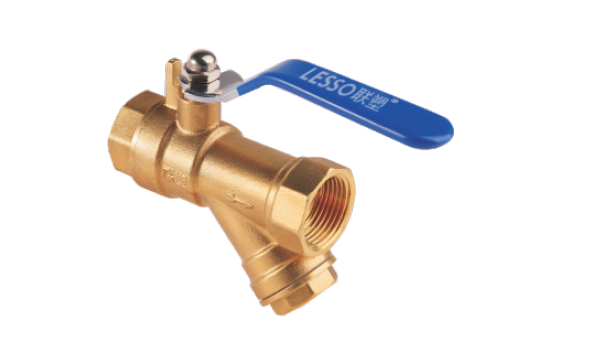
Valves in Water Treatment Pathways
Brass water valves are positioned throughout water treatment and delivery systems to regulate flow, isolate sections of the piping network, and prevent backflow. In treatment facilities or drinking water distribution lines, valves may be installed before filtration units, after disinfection stages, and at junctions where maintenance access is needed. These valves serve as control points that support system performance and maintenance without disturbing the overall treatment process.
The material from which a valve is made bears directly on water quality. Brass is an alloy of copper and zinc prized for its corrosion resistance, strength, and longevity. These properties help maintain structural integrity when handling treated water under varying pressures and temperatures, which is vital as water moves through filtration, softening, or distribution systems.
Corrosion Resistance and Water Integrity
One benefit of brass water valves in contact with treated water is their resistance to corrosion. Exposure to treated water, with its levels of dissolved oxygen and minerals, can cause some metals to degrade over time. Brass naturally develops a protective surface layer, which helps slow corrosion and reduces the risk of particulate contamination entering the water stream. This characteristic makes brass valves practical for use in potable water systems where preserving water quality is important.
Another consideration for water quality is the composition of the brass alloy itself. Modern manufacturing standards favor lead-free or low-lead brass alloys for potable water applications to minimize the risk of lead exposure while maintaining valve durability and safety. Using valves that meet relevant health and plumbing regulations ensures compliance and helps protect consumers.
Choosing Valves to Support Treatment Objectives
Selecting the appropriate brass water valve type depends on the specific needs of the treatment system. Gate valves control large flow volumes, ball valves offer quick on/off shut-off capability, and check valves help prevent unwanted backflow. Regardless of type, ensuring that the valve materials and design align with treatment requirements will support long-term water quality management.
Conclusion
Brass water valves, such as those in the LESSO range, play a meaningful role in water treatment and distribution systems by regulating flow, maintaining system integrity, and preserving water quality. Their corrosion resistance and suitability for potable water applications make them suitable components where water quality preservation and reliable control are priorities. Evaluating the type and specifications of brass valves in relation to the treatment goals ensures that water systems operate reliably and maintain safe water delivery throughout their service life.

 SEO
SEO